Introduction to Qoghundos and its Ingredients
Qoghundos is a traditional dish that holds significant cultural value in various regions, particularly among the communities of Central Asia. This culinary delight is often enjoyed during communal gatherings, festive celebrations, and family occasions, symbolizing hospitality and togetherness. The dish is characterized by its rich flavors and diverse textures, making it a beloved staple in many households.
The preparation of Qoghundos typically involves a variety of ingredients, each contributing to the dish’s unique taste and nutritional profile. Common components include wheat flour, which serves as the base for the dough, and a selection of meats such as beef or lamb. These proteins not only enhance the flavor but also provide essential nutrients. Additionally, vegetables like onions and carrots are frequently incorporated, adding depth and enhancing the dish’s nutritional value.
Spices play a crucial role in the preparation of Qoghundos, with seasonings like cumin, black pepper, and coriander included to elevate the sensory experience. The careful selection and combination of these ingredients not only highlight individual flavors but also create a harmonious blend that is central to the identity of this dish. Understanding whether the ingredients in Qoghundos provide health benefits is essential, as they are a fundamental aspect of its preparation and consumption.
As we explore the various components of Qoghundos, it becomes clear that the ingredients used are pivotal in determining the dish’s overall impact on health. By examining their nutritional profile, we can ascertain the advantages and potential drawbacks associated with their consumption. This understanding will lead us to a more informed conclusion regarding the question: are the ingredients in Qoghundos good for health?
Health Benefits of Key Ingredients in Qoghundos
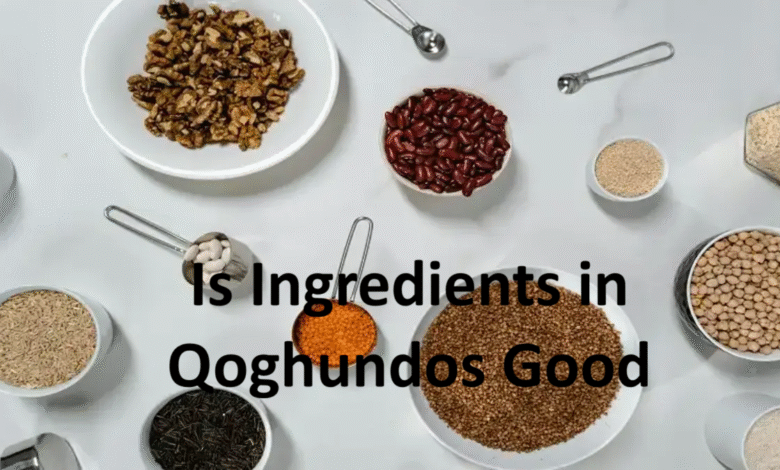
Qoghundos, a traditional dish popular in various regions, boasts a variety of ingredients, each contributing to its nutritional profile and health benefits. Understanding whether the ingredients in Qoghundos are good for health necessitates an exploration of these key components. Some of the prominent ingredients include whole grains, legumes, vegetables, and spices, all of which offer unique health advantages.
Whole grains, commonly used in Qoghundos, are rich in dietary fiber, vitamins, and minerals. Consuming whole grains has been linked to a reduced risk of heart disease, improved digestion, and better weight management. Their high fiber content aids in regulating blood sugar levels, making them suitable for individuals with diabetes. Therefore, the inclusion of whole grains in Qoghundos enhances its overall health profile.
Legumes are another critical ingredient in Qoghundos. They are recognized for their high protein content and ability to maintain satiety. Additionally, legumes are a great source of essential nutrients such as iron, magnesium, and folate. The incorporation of legumes in this dish not only contributes to muscle maintenance but also supports overall metabolic functions.
Vegetables play a significant role in enhancing the nutritional quality of Qoghundos. They are packed with vitamins, minerals, and antioxidants that can help protect against chronic diseases. The presence of various vegetables in Qoghundos makes it a rich source of phytonutrients, promoting better immune function and overall health.
Spices, often seen as minor ingredients, should not be overlooked. Many spices used in Qoghundos possess anti-inflammatory properties and can enhance metabolic activity. These features make them beneficial for digestion and overall health, reinforcing the notion that the ingredients in Qoghundos can significantly contribute to a balanced diet.
In conclusion, the ingredients in Qoghundos are beneficial for health, offering an array of nutrients that support various bodily functions. Their combined effect can lead to positive health outcomes, making Qoghundos a wholesome addition to a balanced diet.
Potential Drawbacks of Ingredients in Qoghundos
Qoghundos, a traditional dish from various cultures, has gained popularity due to its unique flavors and potential health benefits. However, it is essential to consider the potential drawbacks associated with the ingredients used in its preparation. Some individuals may experience allergic reactions to specific components included in Qoghundos. Common allergens such as nuts, dairy, or gluten may pose risks for susceptible individuals. Those with known allergies should carefully examine the ingredient list before consumption to avoid adverse reactions.
Additionally, certain ingredients in Qoghundos might lead to health concerns, especially when consumed in excessive amounts. High sodium content from seasoning or sauces could contribute to elevated blood pressure, which is a health risk for individuals with hypertension or heart conditions. Moreover, excessive use of sugars, often found in sauces or marinades, could affect individuals with diabetes or those seeking to maintain a balanced diet.
It is also worth noting that the caloric density of some ingredients can be significant. For instance, fatty components used in Qoghundos, while contributing to flavor, may hinder weight management efforts if consumed in large quantities. This dietary consideration is vital for those who are mindful of their caloric intake or are following a specific weight loss regimen.
Another aspect to consider is the potential for gastrointestinal discomfort, particularly for those with sensitive digestive systems. Certain spices and herbs, characteristic of Qoghundos, can cause digestive distress or exacerbate existing gastrointestinal issues. Individuals prone to conditions such as irritable bowel syndrome (IBS) may find certain ingredients challenging to tolerate.
In conclusion, while Qoghundos offers an array of flavors and potential health benefits, it is crucial to remain aware of the negative aspects associated with its ingredients. From allergic reactions to dietary implications, individuals should approach this dish with consideration of their unique health circumstances.
Conclusion: Are Ingredients in Qoghundos Good for You?
In evaluating whether the ingredients in Qoghundos are beneficial, it is essential to consider both the health advantages and potential drawbacks of this traditional dish. The ingredients commonly found in Qoghundos, such as various grains, meats, and vegetables, can offer a plethora of nutrients when consumed in moderation. For instance, the use of whole grains enhances dietary fiber intake, which is crucial for digestive health. The presence of lean meats can provide essential protein for muscle maintenance and immune function.
However, it is important to be aware of the potential downsides as well. Some varieties of Qoghundos may include high levels of sodium or fats that can pose health risks if consumed excessively. Individuals with specific dietary requirements, such as those managing hypertension or high cholesterol, should be mindful of these aspects when incorporating Qoghundos into their meals. Additionally, the preparation methods and accompanying sauces can significantly alter the nutritional profile, necessitating a careful examination of these factors.
Ultimately, whether the ingredients in Qoghundos are good for an individual depends on their specific health goals and dietary needs. It is advisable for consumers to assess their personal health status and consider moderation in their dietary choices, particularly when indulging in traditional foods like Qoghundos. By making informed decisions and potentially modifying recipes to align with health objectives, one can enjoy the rich experience of traditional cuisine while still prioritizing overall well-being.